Tire Building

Nylon Cord Rubberizing Calender

Four-roll topping calender for tire cord fabric. A custom-built machine — the stage that decides how well the finished tire holds together.

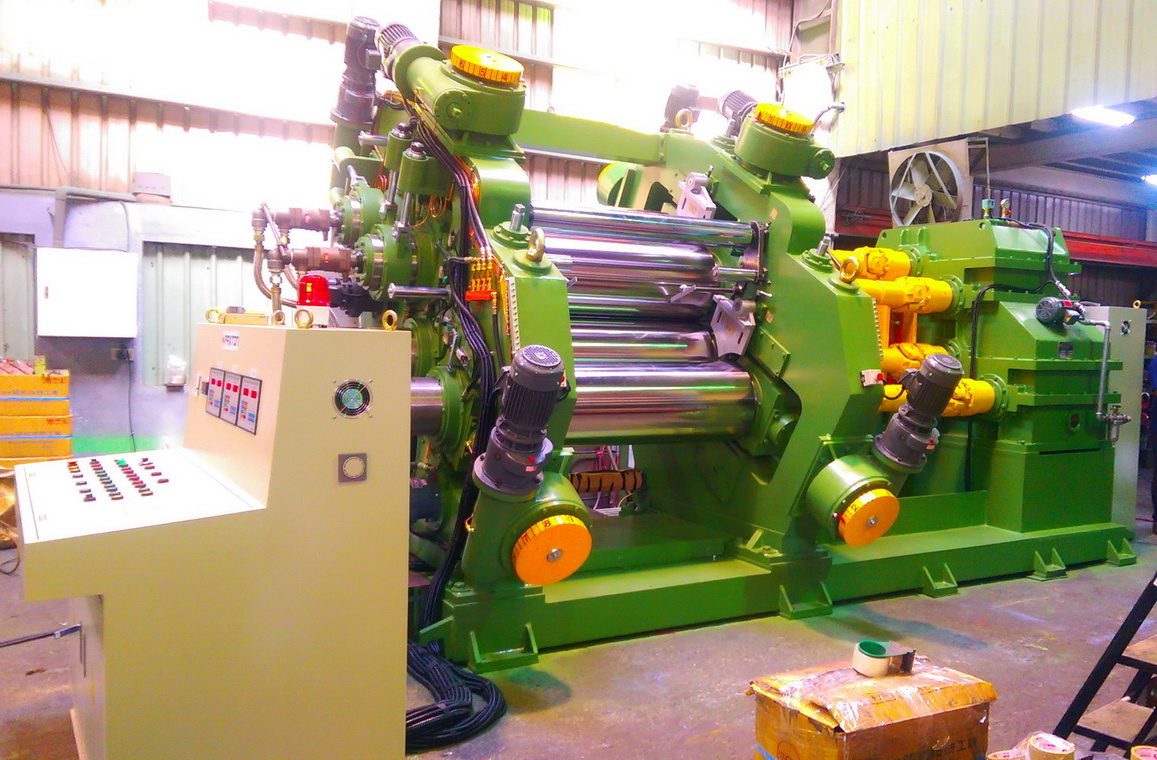
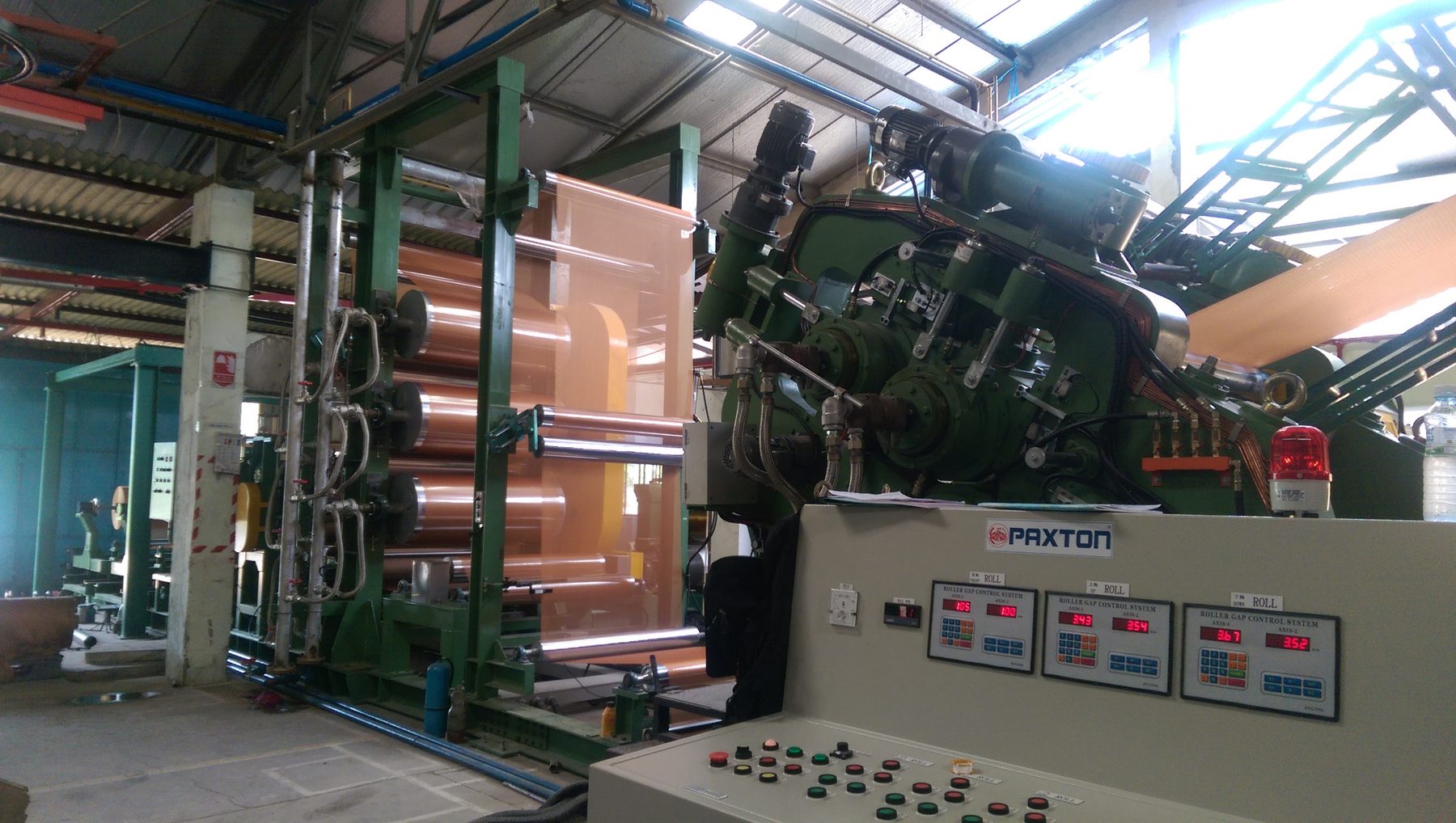
Four-roll nylon cord calender with roller gap control system displaying live nip settings

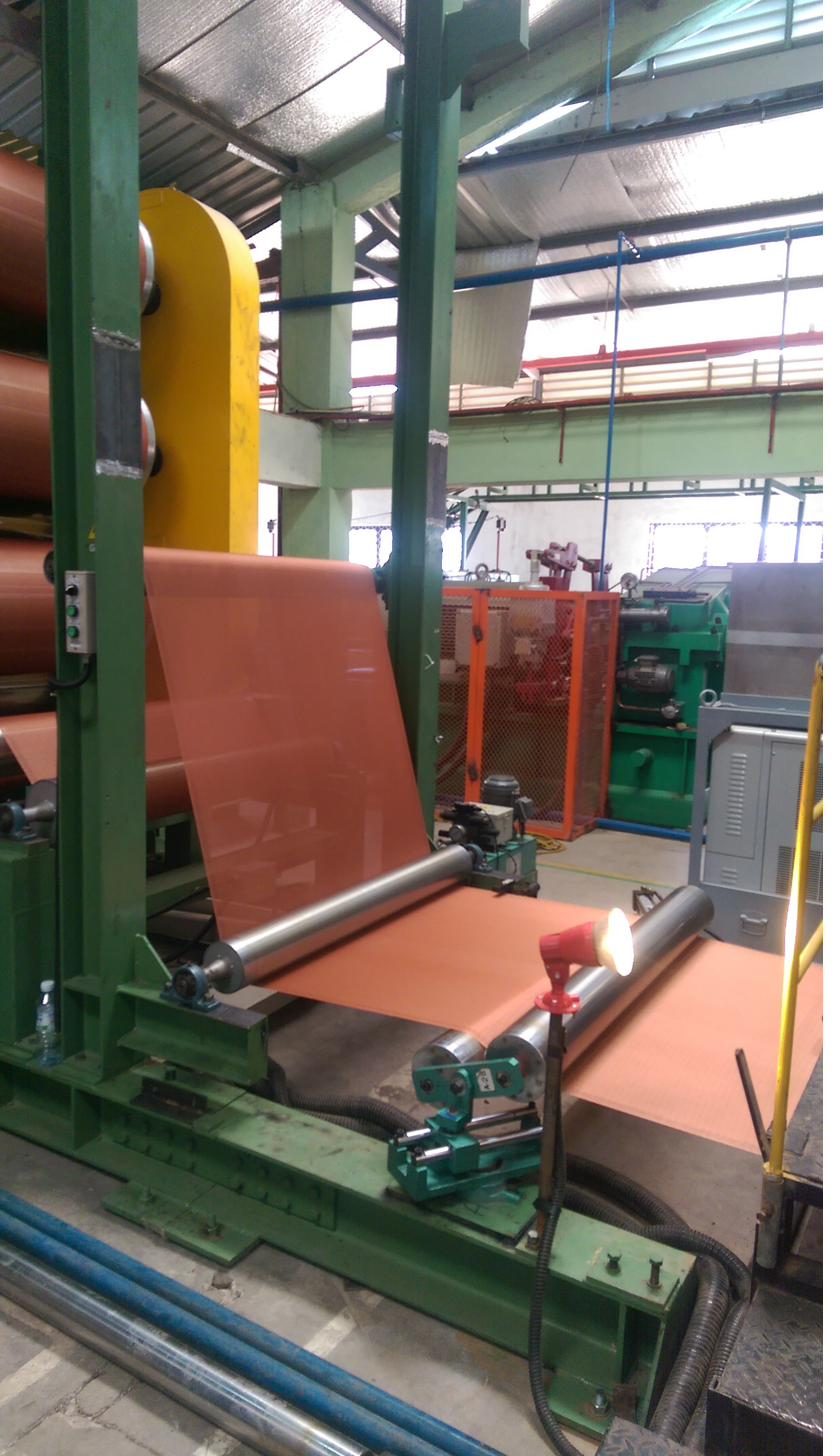
Nylon cord fabric passes between four heated, high-strength steel rolls. Rubber is fed into the nips and pressed into the cord from both sides in a single pass — every filament coated, no voids, no thin spots.

This is where tire strength is made or lost. Uneven topping means uneven bonding, and uneven bonding shows up later as ply separation. The roll gaps are held to a set value by a closed-loop gap control system, monitored live at the operator station.

PAXTON builds this machine to order. Roll size, drive rating and — critically — the roll arrangement are specified to the fabric and the process before the machine is built.

Quick Facts
ConfigurationFour-roll, directly driven
Roll sizes20″ / 22″ / 24″ (3 models)
Drive175 / 250 / 300 HP, variable speed
Gap controlRoller gap control system, per axis
Roll arrangementSpecified to process (see below)
BuildCustom, made to order
Specification

Three roll sizes.

Specification — Nylon Cord Calender, Directly Driven
ModelTypeRoll Size (Ø × L)Drive
PX-CAL-20x60Directly driven20″ × 60″175 HP, variable speed
PX-CAL-22x66Directly driven22″ × 66″250 HP, variable speed
PX-CAL-24x72Directly driven24″ × 72″300 HP, variable speed
Before You Order

Choose the roll arrangement.

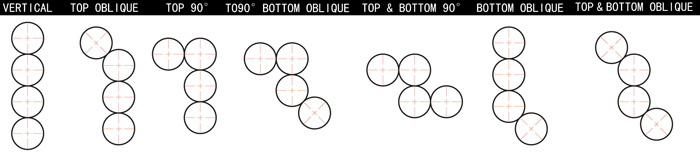
Four rolls can be stacked seven different ways, and the choice is not cosmetic — it determines how the fabric threads through the machine, how the rubber enters each nip, and what the line can do afterwards. It is decided before the machine is built, not after.

Seven four-roll arrangements: vertical, top oblique, top 90 degrees, top 90 degrees bottom oblique, top and bottom 90 degrees, bottom oblique, top and bottom oblique

Tell us the fabric, the gauge and the line layout, and we will recommend the arrangement. If you already know which one you want, specify it with the enquiry.

Photo Gallery

On the line.

Four-roll calender and operator control station
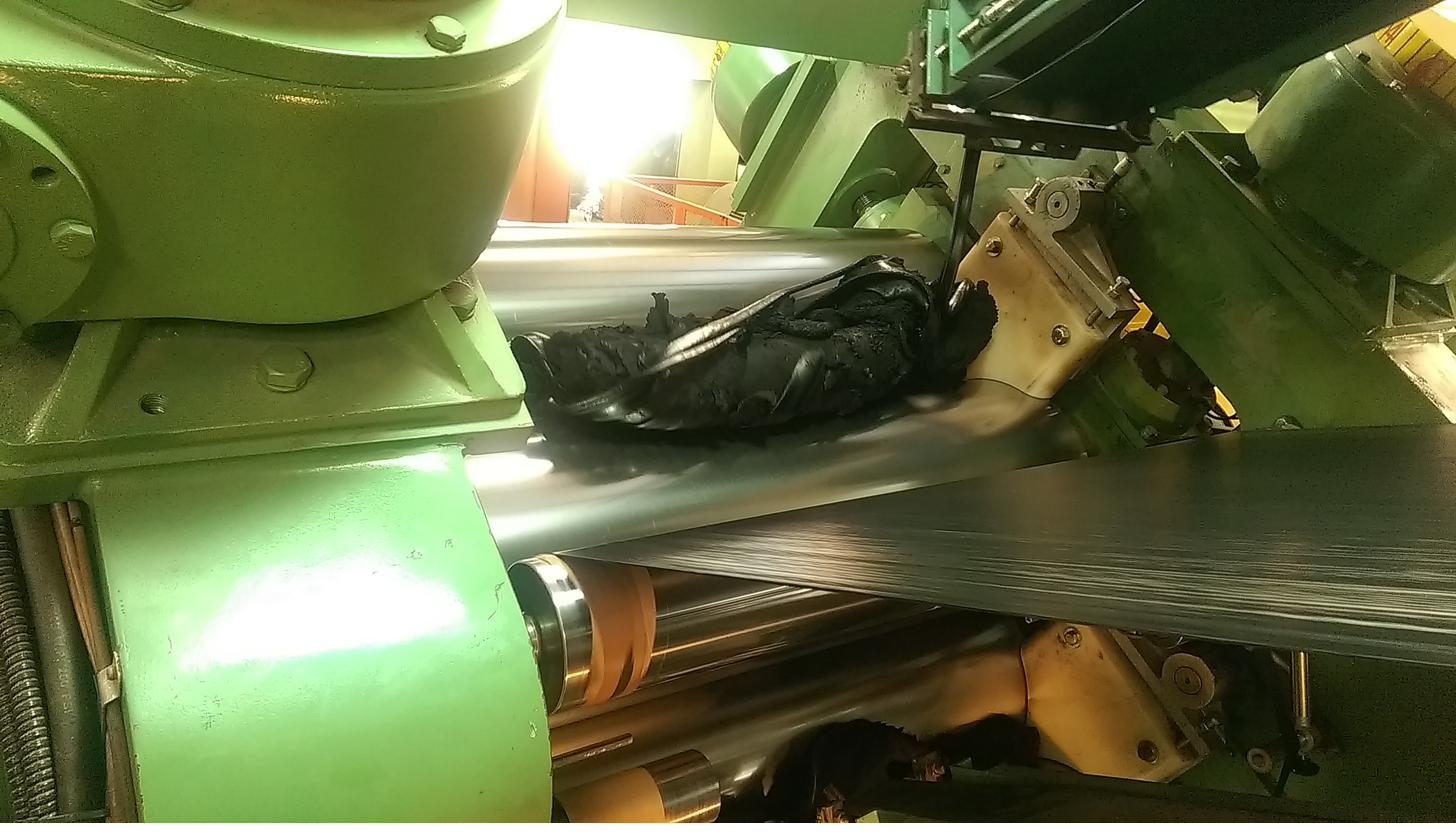
Rubber bank in the calender nip, feeding onto the roll
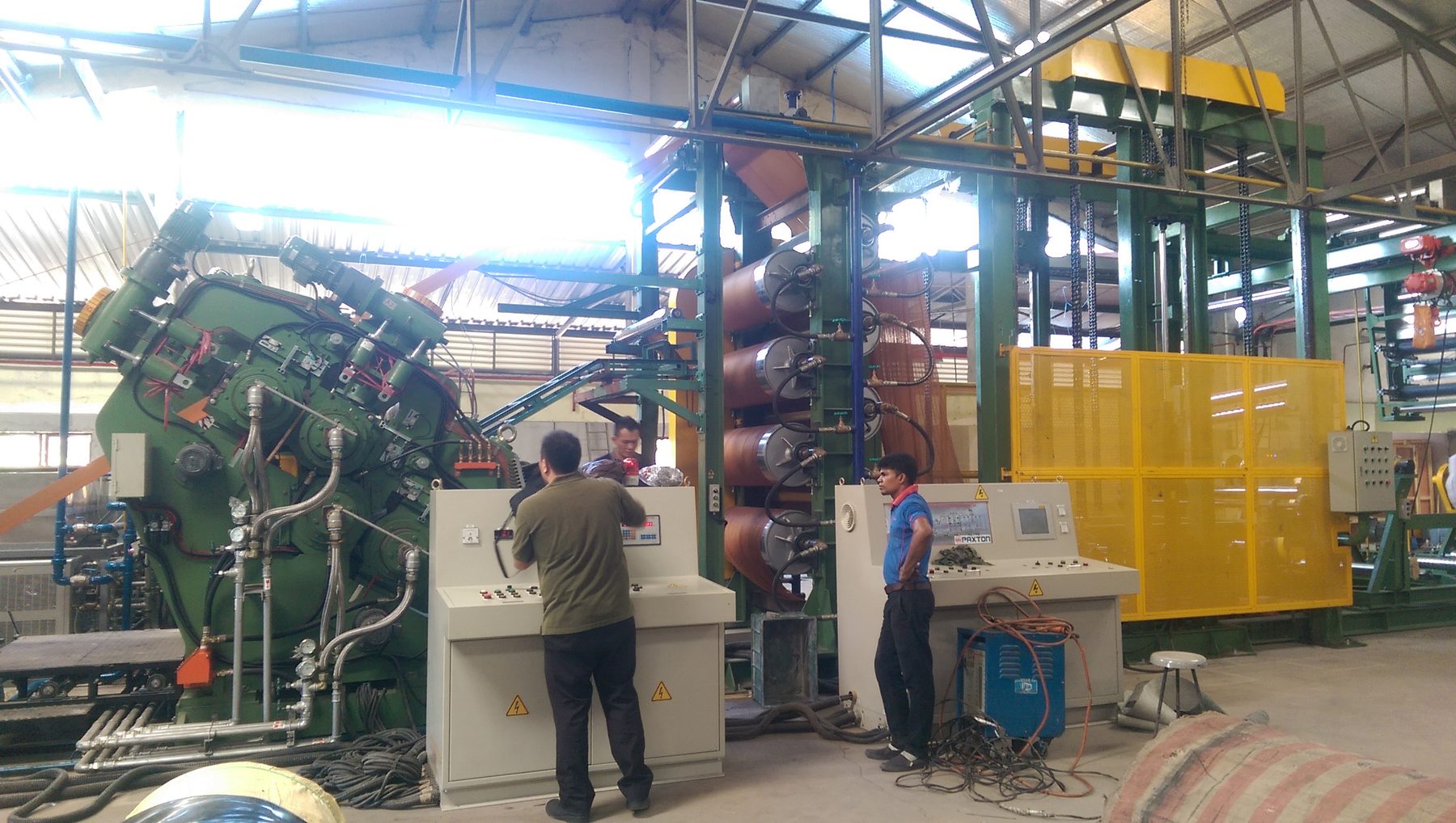
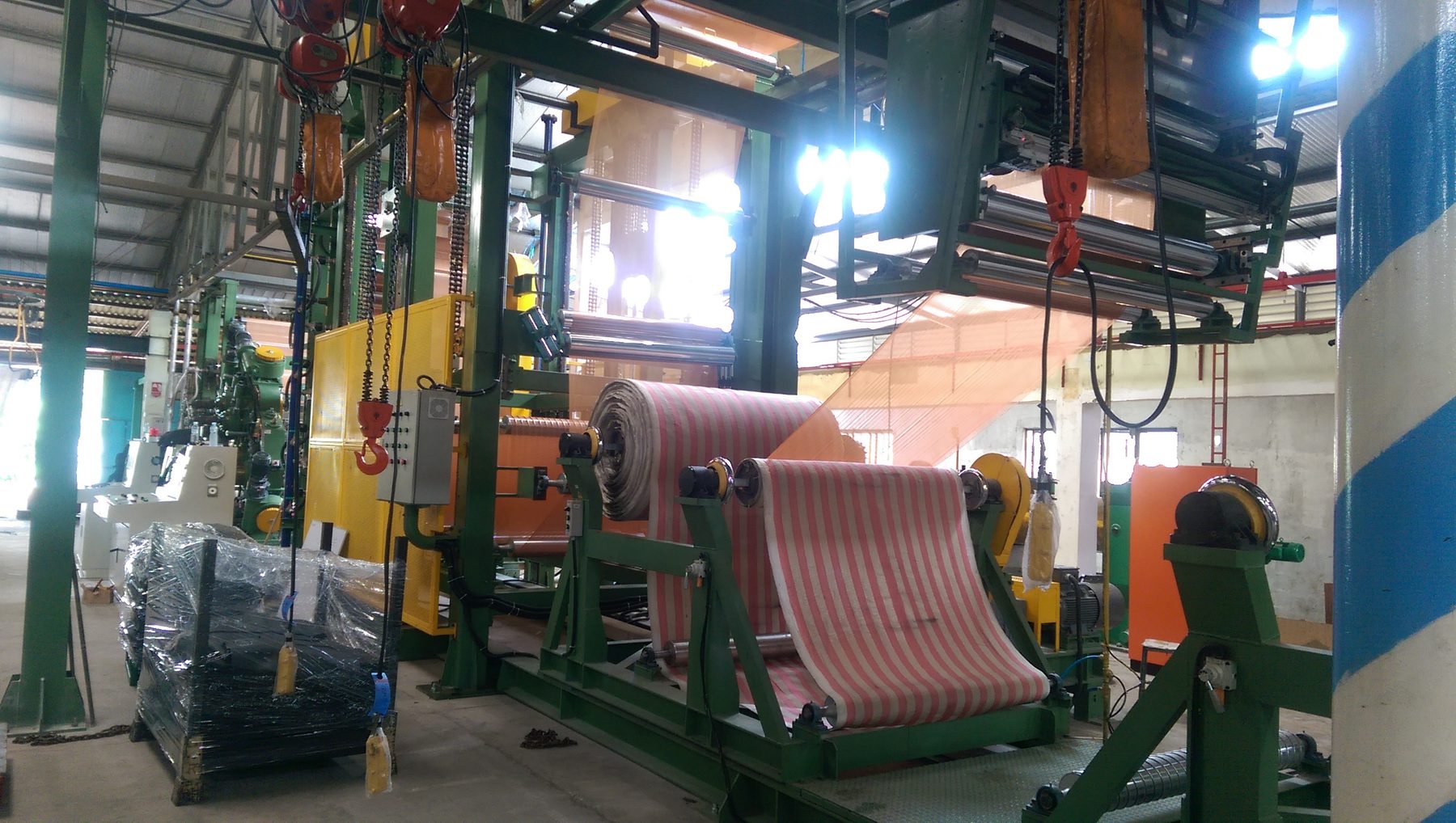
Complete calendering line: calender, cooling drums and fabric accumulator
Rubberized sheet leaving the calender on the take-off conveyor
Wind-up station with liner fabric, receiving the rubberized cord

Key Features

  • Roller gap control — each axis set and displayed independently; the nip holds its value
  • Four high-strength steel rolls — heated and cored, topping the cord from both faces
  • Variable-speed direct drive — line speed matched to the fabric and the compound
  • Seven roll arrangements — specified to the process before build
  • Cooling and accumulation — cooling drums and a festoon accumulator downstream, so the calender never has to stop for the wind-up

Why it matters

Coating consistency across the width of the fabric is what a topping calender is judged on. Get it right and the ply bonds cleanly, the tire holds its shape, and the casing lasts. Get it wrong and no amount of care downstream will fix it.

The calender feeds the bias cutter, which cuts the topped fabric to angle for ply building.